Ward off the toxins
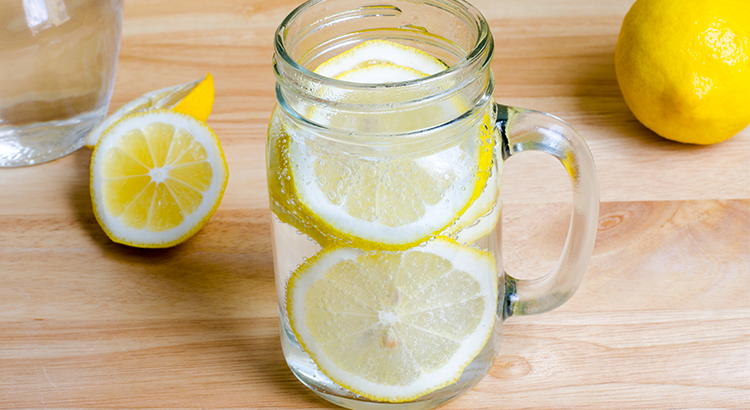
Pesticides, flavour enhancers, preservatives, colouring... Our food, our beauty products and surroundings in general are full of chemical compounds that are harmful to our health.Just like bisphenol A, which is now banned in food containers because it disrupts the functioning of our hormones and, among many others, has an obesogenic effect. "Certain substances are very harmful to the weight and general health, but for now we do not know exactly why or how they act, says Dr Hack. "It's best to avoid them as much as you can. "The advice also applies to artificial sweeteners, like aspartame. Involved in repeated controversies for years, it can instead be replaced by stevia that is just as sweet as natural sugar.Also, opt for organic and local foods, products whose ingredients list is (very) short, and above all ignore the ready-made dishes.What about the toxins already in our system? Is detox mandatory? "There's no need to inflict a fasting or a mono-diet that will clog the body when it can cleanse itself," warns Valerie Orsoni. "Rather, the focus should be on the daily consumption of foods that are good for the liver, kidneys and digestive system such as buckwheat, apples, artichokes, beets, garlic, cabbage, etc."You can start by the day by drinking a glass of some lemon juice in warm water. Your body will thank you.
Exercise regularly
You canot lose weight if you don't burn more calories than you consume. And to burn, we must move. Additionally, exercise is the best defence against many diseases.Whatever kind of exercise we choose, the key is to find one or more sports that get the heart working and one that you can commit to every day for at least 30 minutes. Provided you really want it, you can find that half hour easily, even with a job, the kids and a social life.Once you get into the habit (it will come soon enough!), attack the 'aesthetic' aspects, think cellulite, fat or flabby buttocks knees which we can erase through targeted exercises integrated into our routine. "Retracting the belly when you pass a door contributes to the transverse muscles for a flat stomach; doing a plank (lying on one's stomach and supporting the body weight with the forearms, legs straight and tight abs) during advertising breaks, these will help you get abs," says Valerie Orsoni.
Learn to manage your emotions
Nobody escapes the occasional flicks of depression that make you want to indulge in fatty foods, sweet or savoury treats. These slips aren't harmful to our health when done sporadically but be careful as they might become a habit."Whatever method one chooses (deep breathing, meditation, behavioral therapy, etc.), the important thing is to find a way to manage our emotions, and especially our stress," says Dr. Hack. When it settles chronically, the adrenal glands release cortisols. This process pushes the body to demand extra calories. In the long run, excess cortisol also increases fat storage.Instead, go for physical activities that release endorphins into the body. Though moving is essential, this is not always enough.Obviously, it is impossible to completely get rid of stress, but we can limit it. Get away from those who get on your nerves, unplug your smartphone and computer and allow yourself enough sleep. These are also essential.
Get enough sleep
The lack of sleep plays a crucial role in weight gain. "It takes several nights to make up a sleep debt, Dr. Hack warns. "The body is not recovering as fast as people think."Consequently, ghrelin, a hormone that stimulates appetite, soars high in the system. Not to mention that fatigue makes it difficult to manage our emotions, it weakens our resistance to stress and isn't exactly a motivating factor to exercise. Clearly, there is no hope of losing weight if you do not sleep enough.Ok, but what does 'enough' amount to? The answer is not always obvious. For most of us, seven to eight hours of sleep is enough. But some can do with less, while others are only rested after nine or ten hours. Opt for a compromise with nights without smartphones once it hits 9 pm. Blue light hampers the quality of sleep and reduces its duration.
Do not demonize certain foods
Except in cases of allergies, intolerances or sensitivities to certain foods, we can eat everything without fearing we will gain weight. "Of course, there are healthier foods than others, but there's no need to exclude certain foods to lose weight. By being reasonable, slimming down the easy way and greediness can reconcile," says Valerie Orsoni.Depriving inevitably leads to long-term frustration and compulsions that cause the famous yo-yo effect. The only exception (there is always one!), food and drinks that contain fructose corn syrup. Made mostly from corn, it has a strong sweetening power and is especially popular with manufacturers. The problem is, it boosts insulin release, the hormone that regulates sugar levels in the blood, and therefore promotes fat storage and weight gain.So read the labels and make sure to remove from your shopping cart, everything that contains fructose corn syrup or maltodextrose.
Familiarize yourself with the concept of glycemic load
In recent years, we've heard a lot about the glycemic index (GI) of foods. GI measures the speed at which a certain food increases the sugar level in the blood. This concept is crucial since the foods that are quickly absorbed by the body tend to be stored as fat. In addition, the sharp rise in the blood sugar level is followed by an equally rapid fall that results in a strong need for sugar and food cravings.But used alone, the glycemic index is not reliable enough. To accurately assess the impact of different carbohydrates in our body, we must also know their glycemic load. This not only takes into account the quality of the sugars present in our food but also their quantity and other nutrients that come with... which changes everything! For example, it is known that fibres greatly slow down the absorption of carbohydrates and participate in the regulation of glucose. Put on your diet menu foods with low glycemic load to not only avoid accumulating kilos, but also to prevent diabetes and obesity.Glycemic load indexes are readily available on the Internet. One last tip: to lower the glycemic load of a meal, it is better to start eating animal or plant protein or fibre first, to be followed by sweets at the end.
Agree to stagnate (sort of)
"Weight loss is not linear. There always comes a time when we no longer lose weight even when we continue to follow the recommendations word for word. It is important to not give up or feel guilty; it's completely normal, "says Dr. Hack. "We reached a 'plateau' when we lose about 10% of our weight," says Valerie Orsoni. For the coach, the stabilization periods are excellent. They allow the body to make the small adjustments needed during and after weight loss, all the fluids, potassium, calcium, hormones, etc. All the disruptions that have been caused by the weight loss generally take longer to rebalance than the time we spent trying to lose weight. Moreoever, it takes the body a few weeks to consolidate with the new weight, and steer clear of the yo-yo effect so be patient!