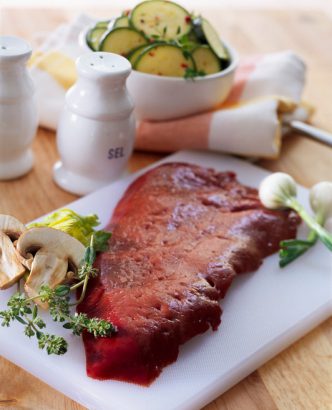
Vitamin A
Vitamin A is a group of organic compounds comprised of retinol, retinal, retinoic acid and several carotenoids. It is mainly involved in supporting healthy vision. 700μg of Vitamin A a day is sufficient for adult females, and can be found in many foods such as liver, dairy products and an assortment of vegetables and fruits.
Vitamin B1
Vitamin B1, or thiamine, is synthesised in bacteria, fungi and plants. Thiamine deficiency has a potentially fatal result, and it is therefore imperative that humans obtain these necessary nutrients through their diet. The current thiamine requirement is estimated at 0.9mg a day, and can be consumed through pork, cereal and whole grains.
Vitamin B2
Vitamin B2, or riboflavin, is used as a coenzyme for selected enzyme reactions, including the activation of other vitamins. Since the milling of cereals results in a huge loss of the naturally synthesised compound, many types of food such as bread and cereal are enriched with this vitamin. Milk and eggs are also very important sources of vitamin B2, and are sufficient in contributing to the recommended intake of 0.9mg a day.
Vitamin B3
Vitamin B3, also known as niacin, is used to treat high cholesterol levels, and is also an extremely important compound for the process of DNA repair. A lack of niacin may result in various side effects, ranging from headaches to anemia. 11mg of niacin intake per day is advised, and can be found in many types of meat, fruits, vegetables and seeds.
Vitamin B5
Another nutrient that's abundant in meat is vitamin B5, also called pantothenic acid, which is essential for the metabolism of proteins, carbohydrates and fats. Interestingly, its name derives from the Greek word to mean "from everywhere", which serves as a hint that many types of sources carry this vitamin. Other than meat, pantothenic acid can also be found in whole grains and vegetables such as avocado and broccoli.
Vitamin B6
Sunflower seeds serve as a huge source of vitamin B6, which is a group of very similar chemical compounds that are vital in maintaining the body's metabolism and immune system. The daily requirement of vitamin B6 for adult females is not much, ranging from 1.0mg to 1.3mg a day, and can be fulfilled by munching on some pistachios, meat or bananas if you don't want to eat sunflower seeds every day.
Vitamin B7
Vitamin B7 is also known by the name biotin, and is involved in the synthesis of healthy insulin and fat levels. In addition, experts also claim that regular intake of biotin helps ensure the growth of strong hair and nails. You can easily fulfill your recommended daily intake of 30μg a day through the consumption of simple foods like peanuts and almonds. Even though egg yolks are said to be a good source of biotin, egg whites may reverse the effectiveness of this vitamin.
Vitamin B9
Folic acid is a term more commonly used than its counterpart vitamin B9, and is significant in various enzyme processes such as the synthesis and repair of DNA. It is also important for cell division and growth, especially in pregnancy and infancy. Female adults are advised to consume at least 400μg of folic acid a day, via sources like beans and leafy vegetables.
Vitamin B12
Vitamin B12 A.K.A. cobalamin plays a key role in the daily functions of the brain and nervous system. This explains why a deficiency in vitamin B12 results in serious consequences such as depression and possibly even psychosis. Seafood such as shellfish and mackerel act as the largest sources of cobalamin, although the average daily requirement is only 2.0μg a day.
Vitamin C
Vitamin C, the most popular type of vitamin and one that we consume almost every day due to its wide availability in a plethora of food sources. Its most important functions include being an antioxidant and assisting in the healing of wounds. The recommended daily intake of vitamin C is highly debated around the world, ranging from 40mg to 100mg a day. This nutrient is found in a huge range of fruits and vegetables, with two of the largest sources being bell peppers and guavas.
Vitamin D
Vitamin D is a group of secosteroids that help the body absorb vital elements such as calcium and iron. It is usually not taken in through the consumption of food, but exposure to sunlight. There is no recommended amount for this due to the risk of cancer when people are out in the sun for too long, but a healthy daily intake of vitamin D may not be fulfilled if there is limited sunlight exposure. Therefore, supplements may be needed according to one's personal lifestyle.
Vitamin E
Vitamin E, a group of compounds consisting of tocopherols and tocotrienols, is most commonly found in various plant oils and acts as an antioxidant essential in preventing the damage of free radicals. Other types of food high in Vitamin E include nuts like almonds and hazelnuts, which easily meet the daily dietary requirement of 12mg a day.
Vitamin K
Finally, we arrive at the last type of vitamin you need to know about, vitamin K. Commonly found in green leafy vegetables, Vitamin K is extremely important in the control of blood coagulation and the strengthening of bones, without which both processes can become seriously impaired. The estimated requirement of this vitamin is 90μg a day for adult females, and the best food sources include basil, kale and spinach.