Caviar
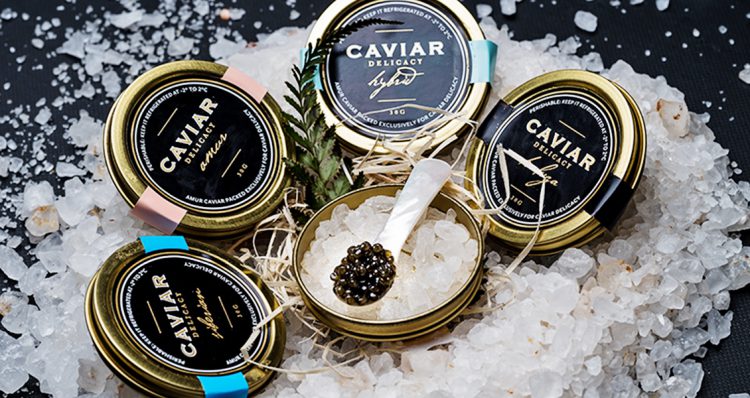
Caviar is a powerhouse of nutrients that are good for the body — Omega-3, magnesium and Vitamin B12. It also aids to greatly improve the immune system and is also said to help men who suffer from impotency. There are different species of sturgeons and each produces caviar of different flavours, from nutty to creamy.
Owner of modern Italian restaurant 28Wilkie, Benjamin Goh, along with his Executive Chef, Kenny Huang, have shared their expertise on how to enjoy this “luxe” ingredient. The “dos”: - Traditionally, caviar is paired with blinis, sour cream, chopped onions and chopped chives as this helps to mask the saltiness and ‘fishy’ flavors of the caviar. On the contrary, if the caviar is of good quality, it is best to be consumed on its own without any condiments.
- Champagnes and vodkas are best paired with caviar. Ideally, choose a Brut (“dry”) champagne for its low sugar content.
- Caviar is better served with cold dishes instead of hot, as the flavour profiles are more distinct when consumed cold.
The “dont’s”: - Refrain from adding any type of acidic content to your caviar (e.g lemon); even consuming acidic beverages with caviar can ruin its flavour.
- Never allow caviar to come in contact with any metals as it can cause a chemical reaction. Even when caviar is being tinned, a specific type of alloy is used to store it. This is why it is important to use a ‘mother of pearl’ spoon or pure gold when serving caviar.
Photo provided by 28Wilkie | 28 Wilkie Road, #01-01 Singapore 228051 | Tel: +65 9776 2828Foie gras
Known as a luxurious delicacy in French cuisine, the term “foie gras” literally translates to “fat liver”. Duck liver, followed by geese liver, is most commonly used to make foie gras. The delicacy is largely high in fat, cholesterol, vitamin B12 and vitamin A, though nothing compares to its buttery melt-in-the-mouth texture and rich flavour.
The “dos”:
- Due to its strong flavour profile and richness, it is best enjoyed by breaking off smaller chunks with a fork.
- Accompaniment: Pair with thin slices of brown or white bread such as country bread and sourdough bread.
- Condiments: Pair with tart, fruity flavours — peaches, cranberry jam, plum jam, chutneys — to cut through the richness.- Beverages: Pair with sweet dessert wines (such as aromatic Riesling or cleansing Jurançon), vintage champagne, and white wine (Chardonnay and Sauvignon Blanc will do the trick).
The “dont’s”:
- Never spread it, as this will ruin the texture.
- Never gobble it all down in one go. You should let it sit in your mouth to give you the chance to savour the rich, creamy melt-in-your-mouth texture.
Get your foie gras fix at OSO Ristorante | 46 Bukit Pasoh Road, Tel: 6327 8378 | UOB Special: 10% off a la carte menu. Valid till 31 October 2017.
Abalone
While not nearly as popular in Western countries, abalone is in serious demand in Asia and, due to overfishing, has become a very expensive luxury. Essentially a sea snail, abalone is enjoyed for its texture — a light crunchiness similar to eating jellyfish — as well as its buttery and salty flavour.
The “dos”:
- Abalone is best enjoyed raw, as thinly cut slices (sashimi style).
- Accompaniment: Pair with leafy vegetables such as spinach and kai lan.
- Condiments: Pair with soy sauce, chili and lime to add extra flavour.
- Beverages: Pair with ice-cold beer for maximum enjoyment.
The “dont’s”:
- Never fry it together with other ingredients.
- Boiling it for more than 10 seconds will ruin its texture, causing it to become tough and rubbery.
Get your abalone fix at Hai Tien Lo, Pan Pacific Singapore | 7 Raffles Boulevard, Marina Square, Tel: 6826 8240 | UOB Specials: Exclusively for UOB Reserve, Visa Infinite, Privilege Banking, Empire & Lady's Solitaire Cardmembers: • 30% off total restaurant bill • Complimentary S$50 dining credit on your birthday month with a min. spend of S$150 Valid from now till 31 August 2017 for dine-in only.
Black truffle
Truffles grow underground, making them hard to find. Thankfully, female pigs seem to be naturally gifted at seeking these mushrooms out. Also known as Périgord Truffle, black truffle is most famous in France, while Italy has taken up the culinary use of the white truffle.
The “dos”:
- Lightly shave or thinly slice it over dishes. Its strong flavour and aroma has a tendency to be too much for some people when used in larger quantities.
- Best paired with aged Burgundy wine.
The “dont’s”:
- Never mix black truffle with ingredients of high acidity as this will overpower the flavour of the truffle.
Kobe beef
While “Wagyu” actually refers to all Japan-bred cattle, kobe beef comes from a specific strain of Wagyu, namely the Tajima strain, which is raised to strict standards in Hyogo Prefecture (of which its capital city is Kobe). The meat is known for its spectacular marbling and intense fattiness, which contributes to its tenderness and flavour.
The “dos”:
- Best paired with mild, fruity red wines such as young Tempranillo, California Cabernet Sauvignon, and Bordeaux wines.
- Garnish with deep fried garlic chips for an added depth of flavour.
The “dont’s”:
- Doneness shouldn’t go beyond medium, as this will result in an overly dry and tough texture.
Bird's nest
Known for its alleged beauty benefits and immunity-boosting properties, bird’s nest is a popular ingredient used in Traditional Chinese Medicine (TCM). Essentially the solidified saliva of swiftlets, its rarity and supposed nutritional value makes edible bird’s nest one of the most expensive animal products harvested for human consumption.
The “dos”:
- Drink bird’s nest before you sleep, as it is said that the antioxidants will work during the night to eliminate free radicals while you sleep.
- Consume at room temperature or chilled.
- Pair with sweet and fruity flavours such as longan, goji berries and red dates.
The “dont’s”:
- Refrain from drinking pre-bottled bird’s nest as they contain high amounts of added sugar.
- Should not be cooked or flavoured with anything strong-tasting or overly oily as bird’s nest is a particularly delicate ingredient.
Saffron
Being perhaps the world’s most precious spice, saffron can cost over US$500 for a single ounce. Its insane price tag is due to the intensive labour involved in harvesting the crop. Over 80,000 flowers of the saffron crocus plant must be cultivated, hand-harvested, and processed in order to produce just half a kilogram of saffron. But the remarkable warm, earthy yet floral flavour and aroma of the spice is unique and unparalleled.
The “dos”:
- Pair it with sweet flavours (e.g. apples, ice cream, pudding, honey).
- Pair it with fresh herbs (e.g. basil, cilantro, rosemary, thyme) and other spices (e.g. anise, cardamom, cinnamon, ginger, nutmeg, paprika).
The “dont’s”:
- Pregnant women should avoid saffron as it can reduce blood pressure. In large doses, it could act as a uterine stimulant and could lead to contractions.
- Consuming more than 1 gram of saffron a day could severely damage your liver. Only consume it in small amounts.
Get your saffron fix at OLA Cocina del Mar | Marina Bay Financial Centre Tower 3 #01-06, 12 Marina Boulevard, Tel: 6604 7050 | UOB Special: 10% off total food bill. Valid till 30 October 2017.
Bluefin tuna
Bluefin is so highly sought-after because it is the largest and most fatty tuna fish available. Because of high demand in Japan for quality sashimi-grade Bluefin tuna, prices have skyrocketed. In 2013, a 222-kilogram Bluefin tuna was sold at a record US$1.8 million at Tokyo’s Tsukiji fish market!
The “dos”:
- Eat it raw, sashimi style. Cooking it will do a complete disservice to the fish, destroying its fine, smooth texture and distinctive “meaty” flavour.
- Pair it with light, mild alcohol such as Jozen Junmai Ginjo.
- Pair it with high quality soy sauce and wasabi for the best traditional sashimi experience, though we’ve heard that eating bluefin with mango salsa also works well.
The “dont’s”:
- Never drink alcohol beforehand if you are eating Bluefin tuna sashimi as this could cause digestion issues.
- Pairing it with strong liquor will drown out the taste of the Bluefin tuna.
Get your bluefin tuna fix at Tatsuya | Goodwood Park Hotel, 22 Scotts Rd, Tel: 6737 7411 | UOB Special: 10% off a la carte food bill. Valid from 15 March – 31 December 2017.
White truffle
While white truffles can vary in price, the ingredient is so highly sought-after that many are willing to pay exorbitant prices just to get their hands on some. In 2007, Macau casino owner Stanley Ho paid US$330,000 for a single white truffle weighing 1.5 kilograms, and again in 2010, Ho matched the price for a pair of white truffles, one of which weighed close to a kilogram.
The “dos”:
- Shave into paper-thin slices and use as garnish on simple starchy dishes like pasta, rice and baked potatoes.
- Always pair with foods that are already cooked; never cook white truffle with the food.
The “dont’s”:
- Never cook them — while the taste and aroma is much stronger than black truffles, they fade much quicker. This is sped up by cooking, so it is best to eat white truffle raw.
- Never pair with other strong flavours (something so expensive should be the main star).